


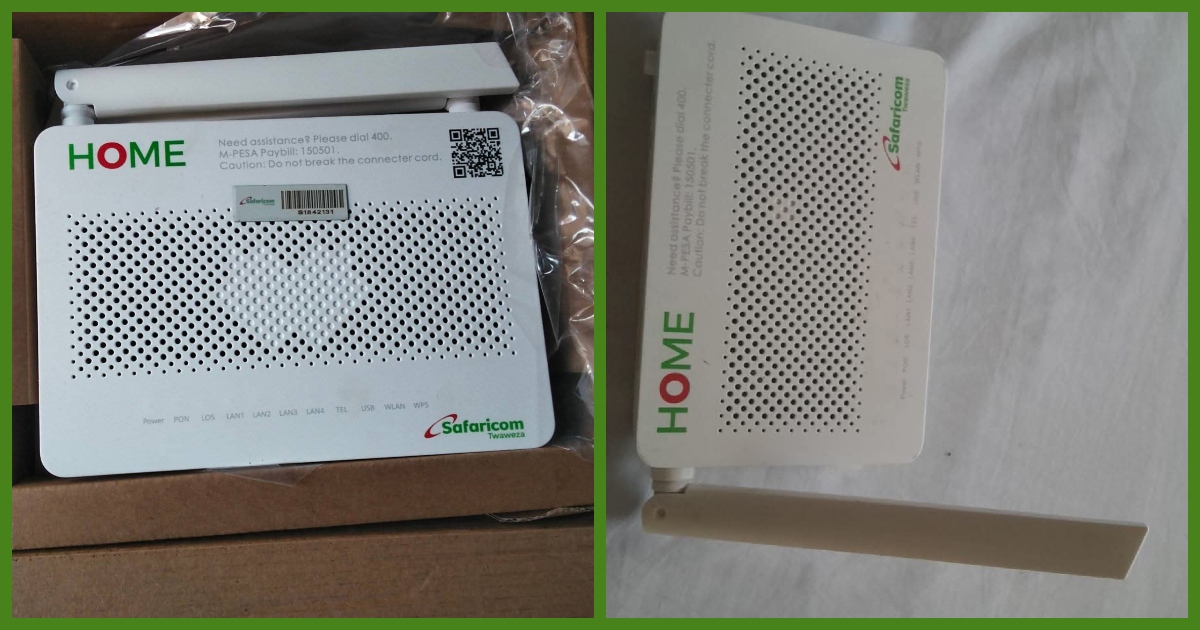
Safaricom has moved deeper into Kenya’s budget broadband market with new fibre plans starting at KSh 800 a month, in a direct challenge to estate internet providers that have long dominated low-cost neighbourhood connections.
The telecoms giant is testing the market through a pay-as-you-go service known as Wi-Fi Bamba, which is being piloted in several low-income and high-footfall areas in Nairobi and Kiambu, including Kawangware, Kangemi and Kiambu Bus Park.
According to the company, the pilot has already attracted more than 800 active users, a sign that demand for cheaper home and shared internet access remains strong.
Safaricom’s push is aimed at capturing budget-conscious households that want stable broadband without paying premium prices for traditional home packages.
The company is offering plans in the KSh 800 to KSh 2,000 range as it tries to widen access to fixed internet services beyond higher-income urban customers.
Battle with smaller players
The move places Safaricom in closer competition with smaller players such as Poa! Internet, Vilcom and Ahadi Wireless, which have built their businesses by serving estates and apartment blocks with affordable, flexible internet packages.
These providers have become popular in many urban settlements where residents often prefer shared connections and lower monthly costs.
Safaricom says the pilot will help it assess demand and commercial viability before deciding on a wider rollout.
If successful, the initiative could strengthen the company’s position in the fixed broadband space while putting pressure on smaller rivals to defend their market share with even more competitive pricing and service bundles.
Read Also: KWAL Launches Paid Feminine Leave Policy to Boost Workplace Inclusion
The strategy also reflects a broader shift in Kenya’s internet market, where affordability is increasingly becoming a key battleground as households look for alternatives to mobile data, which can be costly for heavy users.
For Safaricom, the expansion offers a chance to deepen its reach in the home internet segment while tapping into a customer base that has traditionally been underserved by major telecom operators.
At a time when demand for reliable and affordable connectivity is rising, Safaricom’s budget fibre play could reshape competition in the country’s lower-end broadband market.