


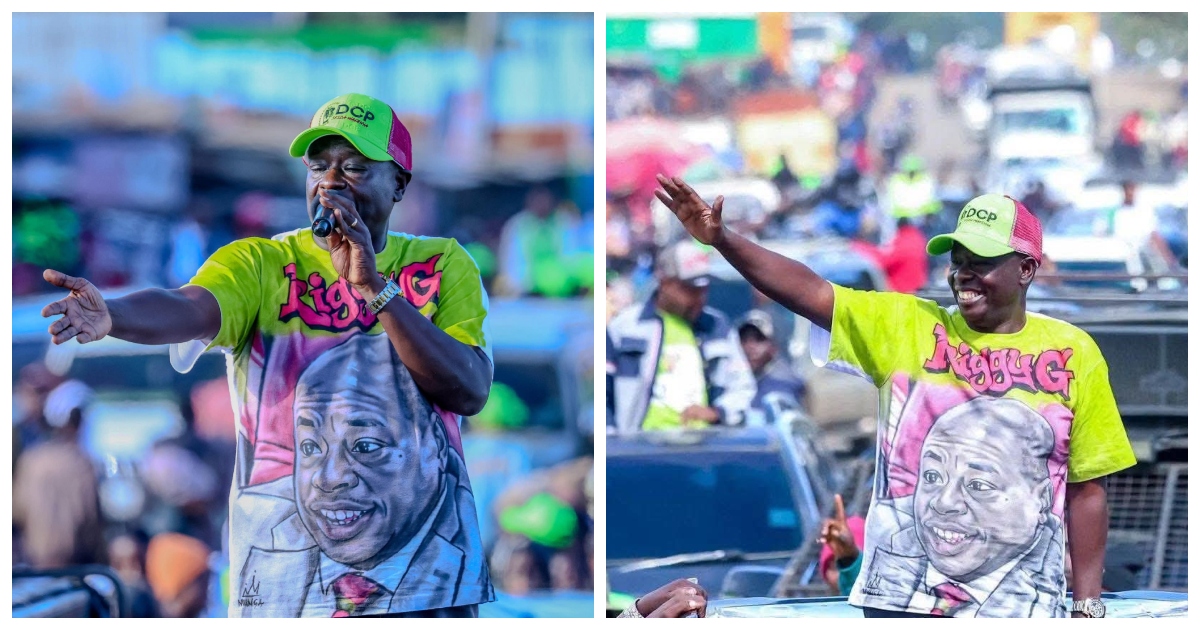
A growing rift has emerged between Kenya’s influential Gen Z demographic and former Deputy President Rigathi Gachagua, as young activists express discomfort with his attempts to align with their leaderless protest movement.
Once a key figure in President William Ruto’s administration, Gachagua has sought to reposition himself as a Gen Z ally following the youth-led demonstrations that began in June 2024 against the controversial Finance Bill and systemic corruption.
However, many in the digitally savvy generation view his engagement as opportunistic political manoeuvring rather than authentic solidarity.
The Gen Z protests, marked by their decentralised, social media-driven nature, initially breathed new life into Gachagua’s career after his dramatic impeachment in late 2024.
In recent months, the ex-DP has ramped up efforts to court the youth, urging them to halt street actions and pivot toward voter registration for the 2027 elections.
“Register as voters and use your power at the ballot,” he implored during a March 2026 rally, framing himself as a bridge between the protesters’ grievances and electoral change.
Yet this pitch has fallen flat, with online backlash accusing him of injecting “mountain politics” and tribal rhetoric tied to Mt. Kenya interests into a movement that prides itself on being tribeless and pan-Kenyan.
Tensions boiled over in a viral July 2025 confrontation in the United States, where Gen Z activist Valentine Wanjiru Githae publicly schooled Gachagua on his divisive language. “I’m not tribal, my daughter,” he responded defensively, but the exchange underscored the youth’s wariness of establishment figures.
Social media erupts with sentiments like “Gen Zs have woken up, they’ve decided to deal with Rigathi Gachagua head-on,” reflecting a resolve to keep their agenda free from political co-optation.
Critics among the youth point to Gachagua’s tenure in the Ruto government, which oversaw heavy-handed crackdowns on protests, as a reason for distrust.
“He was part of the problem,” one anonymous X user posted, echoing a broader unease that politicians are hijacking their grassroots momentum.
As of March 2026, activists have openly challenged him to stay out, insisting the movement remains leaderless and youth-owned.
Read Also: Wajir Governor Ahmed Abdullahi Jiir Faces Mounting Corruption Allegations
For Gachagua, who has credited the protests with reviving his fortunes, this rejection poses a strategic hurdle ahead of the 2027 elections. Gen Z, representing over 75% of Kenya’s population under 35, is shaping the political landscape.
Their firm stance signals a maturing movement unwilling to align with yesterday’s power brokers and prioritising accountability over alliances.