


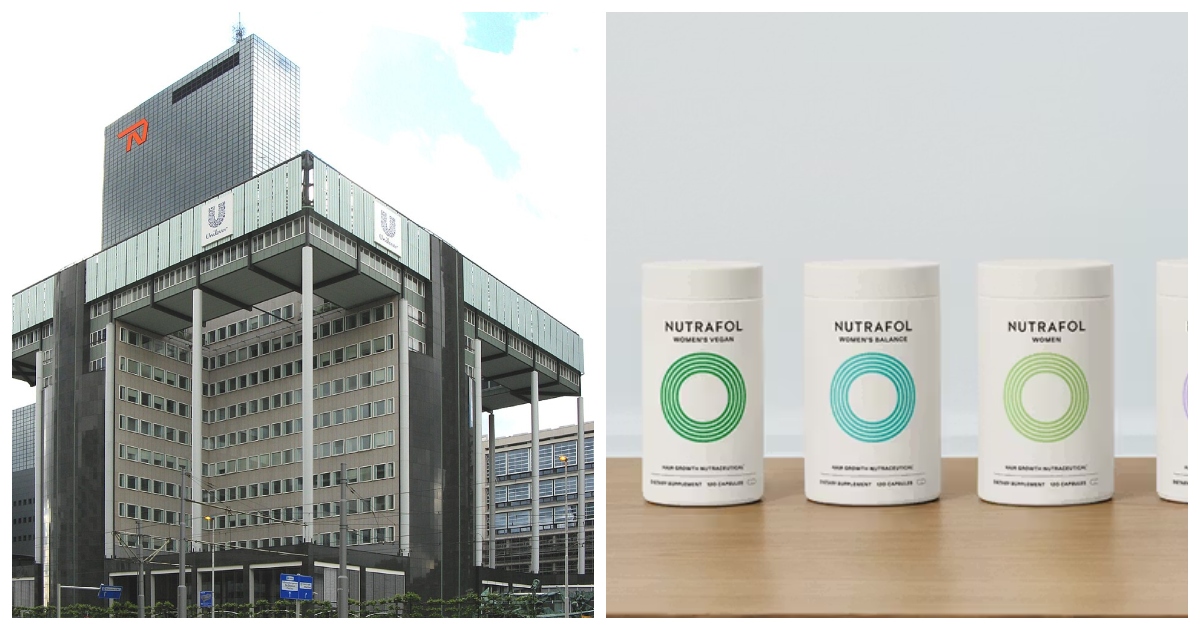
Unilever PLC, the global consumer goods giant behind brands like Hellmann’s mayonnaise and Knorr stock cubes, is in the early stages of evaluating a potential separation of its food assets.
According to Bloomberg, citing sources familiar with the matter, the company has engaged advisers to study options, including a full spinoff or divestiture of most food operations, though no decisions have been finalized and action may not occur before 2027.
This move aligns with Unilever’s ongoing transformation from a diversified conglomerate to a focused player in beauty, personal care, and wellbeing.
Options under consideration include spinning off the entire food division or retaining high-profile brands while selling others.
Such a transaction could value the business at tens of billions of dollars, drawing interest from buyers.
Key food brands at stake include Colman’s condiments, Maille dijon mustard, and Marmite spread.
Unilever has emphasized that deliberations remain preliminary, and it could maintain its current structure.
This potential step follows a decade of aggressive portfolio reshaping.
Read Also: Rostam Azizi: Tanzania’s Billionaire Trailblazer
Over the past ten years, Unilever divested its global spreads division (including I Can’t Believe It’s Not Butter!), snack brand Graze, and fake-meat maker The Vegetarian Butcher.
In January 2026, it sold its Indonesian tea business. Most significantly, the company completed the demerger of its ice cream division in December 2025, listing The Magnum Ice Cream Company independently in Amsterdam, London, and New York while holding a 19.9% stake set for gradual sale.
New CEO
Under CEO Fernando Fernandez, who assumed leadership in early 2025, Unilever is accelerating its shift to higher-margin categories.
Fernandez aims for beauty, wellness, and personal care to comprise about 66% of sales, up from 52%. He spotlighted fast-growing acquisitions like Liquid I.V. hydration products and Nutrafol hair supplements as models for this direction.
“The separation of ice cream was crucial for me to continue enhancing our performance and competitiveness,” Fernandez stated at a December JPMorgan event.
The food review underscores Unilever’s focus on efficiency and growth in premium segments.
While no timeline is set, it signals further evolution for the €60 billion firm amid competitive pressures in consumer goods.