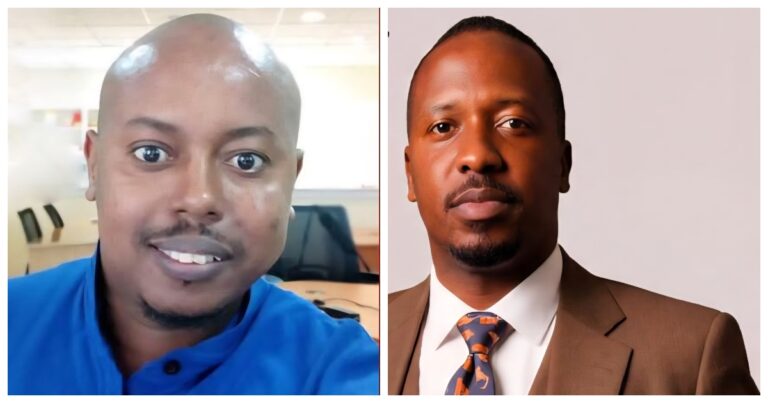

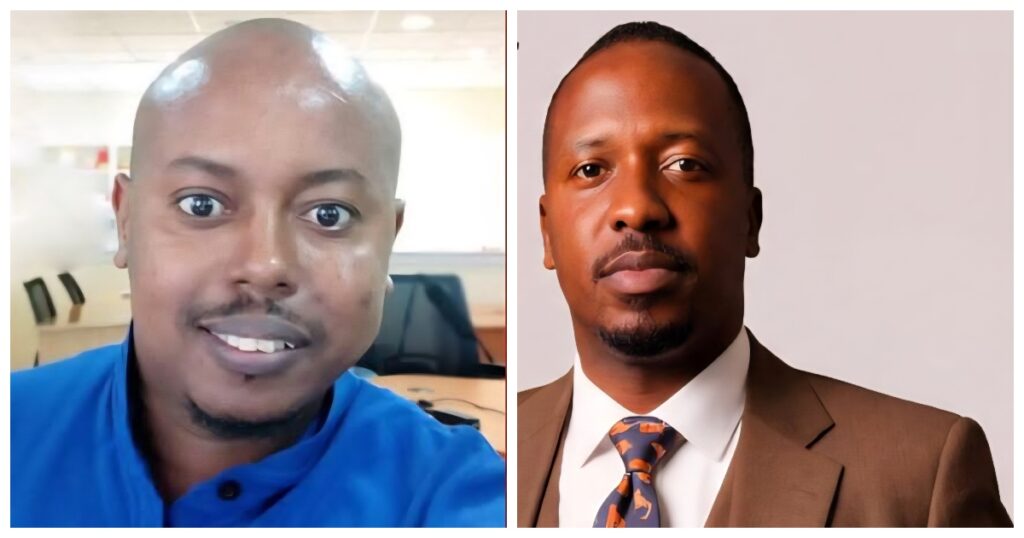
Nairobi, Kenya – In a bold public confrontation shaking online media circles, journalist Abdikarim Hussein has accused self-proclaimed X (formerly Twitter) bigwig George T. Diano of systematically stealing his original content from Facebook and X.
The accusation, which surfaced recently amid growing scrutiny of digital ethics, shows Diano copied Hussein’s posts “word by word” without attribution, reposting them to boost his own profile and earn X monetization.
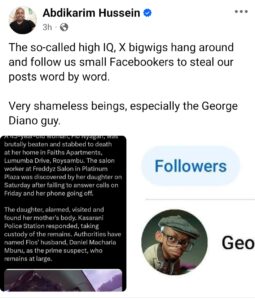
Abdikarim Hussein, a respected figure known for his incisive reporting on African affairs and Human Interest stories and featured on platforms like Buzzfeed and Muck Rack, took to social media to lay bare the evidence.
Screenshots circulating online juxtapose identical passages: Hussein’s detailed posts, mirrored verbatim on Diano’s account (@georgediano) hours or days later.
“This isn’t inspiration; it’s theft,” Hussein declared in a viral post. “I’ve built my voice over the years, and now it’s being hijacked for clout.”
Diano, who portrays himself as a prominent X commentator, has yet to respond directly to the claims.
Read Also: From Struggle to Success: How Richard Koech Transformed His Life in Australia with the Ambia App
Experts urge platforms to enhance detection tools. “Plagiarism erodes trust in online discourse,” noted a digital ethics analyst.
Jayson Blair Scandal
Blair fabricated stories and plagiarized content across dozens of articles, leading to his resignation and two top editors’ exits. The fallout prompted industry-wide reforms in fact-checking.
Other Key Cases
- Stephen Glass (New Republic, 1990s): Invented sources and stories, exposed by Forbes.
- Fareed Zakaria (2012): Lifted passages for Time and CNN, resulting in suspensions.
- Benny Johnson (BuzzFeed, 2014): Over 40 unattributed copies led to firing.
These incidents show ongoing challenges in digital media integrity.