


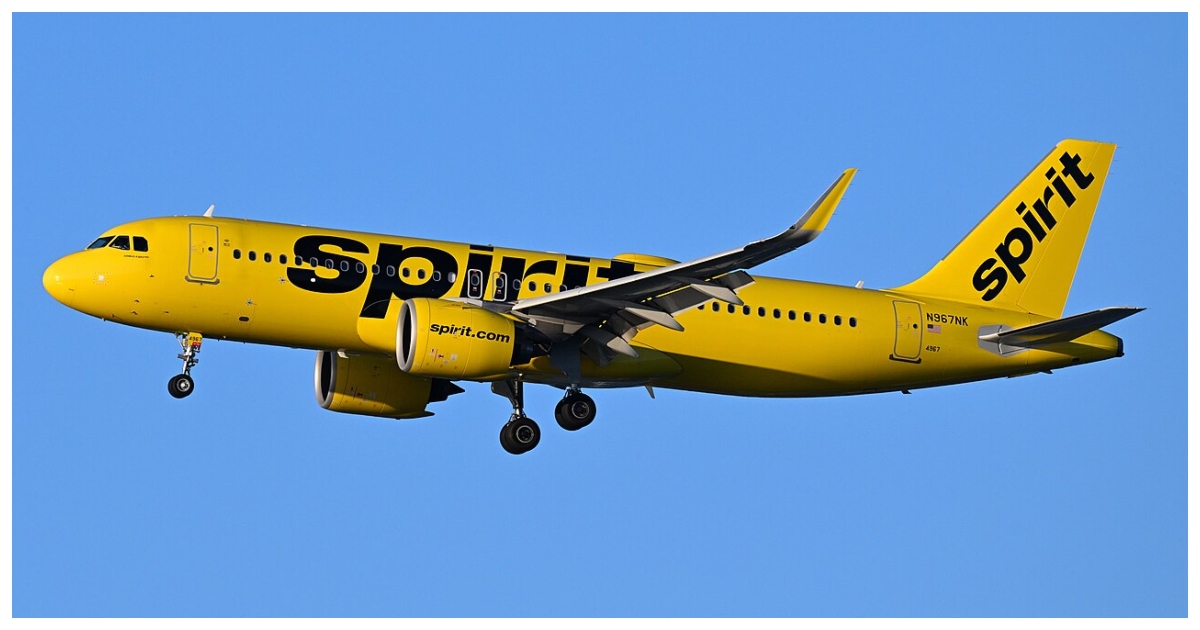
Spirit Airlines has ceased operations after years of mounting financial pressure, rising fuel costs and failed efforts to secure a rescue package, marking a dramatic collapse for one of the United States’ best-known ultra-low-cost carriers.
The Florida-based airline announced that it was beginning an orderly wind-down after concluding that it no longer had the cash needed to sustain operations.
In a statement, Spirit said the recent surge in jet fuel prices had worsened an already fragile financial position and that it could not obtain the hundreds of millions of dollars in additional liquidity required to stay in business.
Spirit’s downfall followed years of turbulence. The airline had already entered Chapter 11 bankruptcy twice in less than a year after struggling with weak demand, heavy debt, and growing competition from larger rivals.
Although Spirit built its brand on bare-bones fares and stripped-down service, major airlines began offering their own basic economy products, narrowing the carrier’s competitive advantage.
Read Also: Aliko Dangote Promotes Daughters Halima, Fatima, and Mariya in Succession Plan
The crisis deepened in 2026 when global oil prices climbed sharply after the conflict in Iran disrupted energy markets.
That increase hit Spirit particularly hard because fuel costs are one of the airline’s biggest expenses.
According to reports, creditors had already raised doubts about Spirit’s ability to continue as a going concern before the final shutdown decision was made.
Failed rescue plan
A proposed rescue plan that could have provided fresh funding also fell apart, removing what had been one of the carrier’s last hopes of survival.
Spirit said it was left with no alternative but to wind down operations immediately, leaving thousands of employees facing layoffs and travelers scrambling to rebook flights.
The collapse ends the run of an airline that helped define the ultra-low-cost travel model in the US but its business strategy, once seen as a strength, proved vulnerable to higher costs, a tougher market and a lack of financial cushion when conditions turned against it.